GEOTECHNICAL ENGINEERING1
SWINDON
HomeInvestigationExploratory test pit

Exploratory Test Pit Investigation for Ground Characterisation in Swindon

Practical geotechnics, field-tested.

LEARN MORE

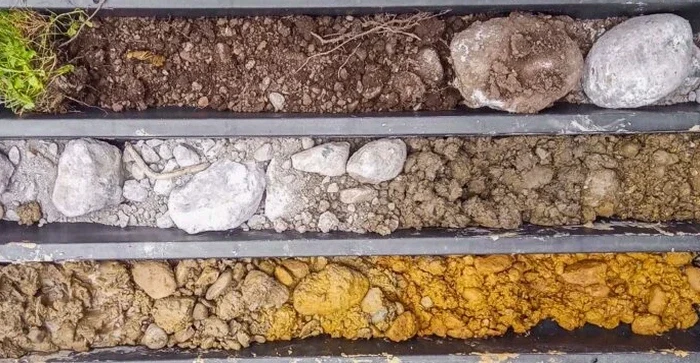
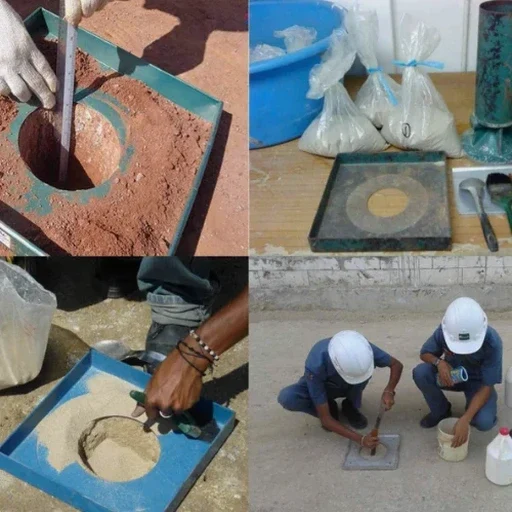
In Swindon, the ground never tells you the whole story from the surface. You can have stiff Gault Clay in one corner of a site and made ground full of Victorian brick rubble just five metres away. A proper window into the subsurface is non-negotiable before any structural design begins. The exploratory test pit remains the most direct method for examining shallow soil strata. Our team uses machine-excavated pits to expose the ground, allowing the engineer to log soil type, consistency, and water ingress in real field conditions. This is not a desk study extrapolation. It is physical sampling and visual assessment combined into one operation. For sites near the railway works or on the expanding urban fringe, we often pair this with plate load testing to quantify bearing capacity right at the excavation level. Swindon’s variable drift geology means trial pitting is rarely just a formality; it often reveals the unexpected.

Nothing replaces the value of a geotechnical engineer standing at the base of a test pit and making a direct observation of the strata.
Our service areas

Process and scope

A typical Swindon test pit excavation deploys a tracked 5- to 8-tonne excavator with a 600 mm wide ditching bucket. The pits usually reach between 2.5 m and 3.5 m depth, depending on the stability of the sidewalls and the target stratum. Depth is measured from existing ground level. The engineer enters the pit only after a full safety assessment and, if needed, temporary support is installed. We log every horizon: topsoil thickness, fill type, natural geology, and any signs of contamination or groundwater seepage. The data feeds directly into the Ground Investigation Report. When we need undisturbed samples from the pit floor, we use hand-cut blocks or push-tube samplers. Understanding the plasticity of the clay is essential, so samples frequently go to the lab for Atterberg limits testing, which tells us if the soil is likely to shrink or swell with seasonal moisture changes. Each test pit is backfilled and compacted in layers once the inspection is complete.
Exploratory Test Pit Investigation for Ground Characterisation in Swindon
Technical reference — Swindon

Local considerations

BS 5930:2015+A1:2020 is clear: unventilated deep trial pits are confined spaces with a real risk of atmospheric hazard. Swindon’s urban geology adds a layer of complexity. Decades of industrial use, from the Great Western Railway workshops to modern distribution centres, have left pockets of hydrocarbon contamination and undocumented backfill. A pit excavated through such material can expose the team to volatile organic compounds or unstable sidewalls. We enforce strict entry protocols. No one enters a pit deeper than 1.2 m without gas monitoring, escape tripod, and a trained banksman on watch. The risk of collapse is not theoretical here. Swindon sits on Oxford Clay and Kellaways formations that can ravel quickly after excavation, especially after rain. We also consider the proximity of services. Before any bucket breaks ground, a full CAT and Genny scan is run, and trial pits near Swindon’s dense network of fibre-optic corridors are hand-dug to the first 1.0 m.

Need a geotechnical assessment?

Reply within 24h.

Email: contact@geotechnical-engineering1.com

Reference standards

BS 5930:2015+A1:2020 – Code of practice for ground investigations, Eurocode 7 – BS EN 1997-2:2007 – Ground investigation and testing, BS 10175:2011+A2:2017 – Investigation of potentially contaminated sites, CDM 2015 – Construction (Design and Management) Regulations

Reference parameters

ParameterTypical value
Typical depth range2.5 m – 3.5 mbgl
Excavator weight class5 – 8 tonnes
Bucket width600 mm (standard)
Standard coverage1 pit per 200–300 m²
Sample typesBlock, push-tube, disturbed bags
Backfill methodLayered compaction to 95% MDD
Reporting standardBS 5930:2015 + A1:2020

Questions and answers

What preparation is needed on my Swindon site before a test pit is excavated?

The area must be cleared of surface debris and any overhead obstructions. We need a copy of the site plan showing buried services. If utilities are present, we arrange a CAT scan ahead of the dig. Access for a tracked excavator and a skip for spoil is essential. We handle all permits and traffic management if the work affects a public right of way.

How much does an exploratory test pit cost in Swindon?

For a standard investigation in the Swindon area, the cost typically ranges from £460 to £600 per pit. This includes machine excavation with a trained operator, an engineer’s full-time supervision, detailed logging to BS 5930, photography, and backfill compaction. The final price depends on depth, access constraints, and the number of pits required for adequate site coverage.

Can you take samples from the test pit for laboratory testing?

Yes. We routinely take disturbed samples for classification testing and undisturbed block samples for strength tests. Swindon’s clay soils can be sensitive; we seal the samples immediately to preserve natural moisture content. The samples are transported under chain of custody to a UKAS-accredited laboratory for tests such as triaxial compression or oedometer consolidation.

Is it safe to enter a 3-metre deep test pit?

Entry is only permitted under a strict safe system of work compliant with the Confined Spaces Regulations 1997. We use gas monitors, a davit arm with a winch, and a harness for the entrant. The sides are battered back or supported if there is any sign of instability. In Swindon’s weathered Oxford Clay, we often bench the excavation rather than risk vertical walls.

How do you restore the ground after a test pit investigation?

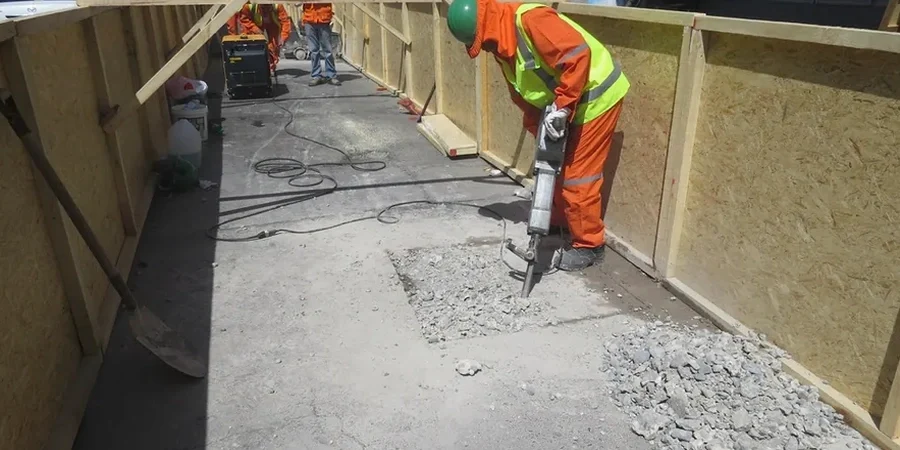
The pit is backfilled with the excavated material, compacted in layers not exceeding 200 mm loose thickness. We use a vibrating plate compactor to achieve at least 95% of the maximum dry density. The surface is left level and tidy. If the pit was excavated through hard paving, we reinstate the surfacing to the local authority’s specification or the client’s requirements.

Location and service area

We serve projects in Swindon and surrounding areas.

View larger map