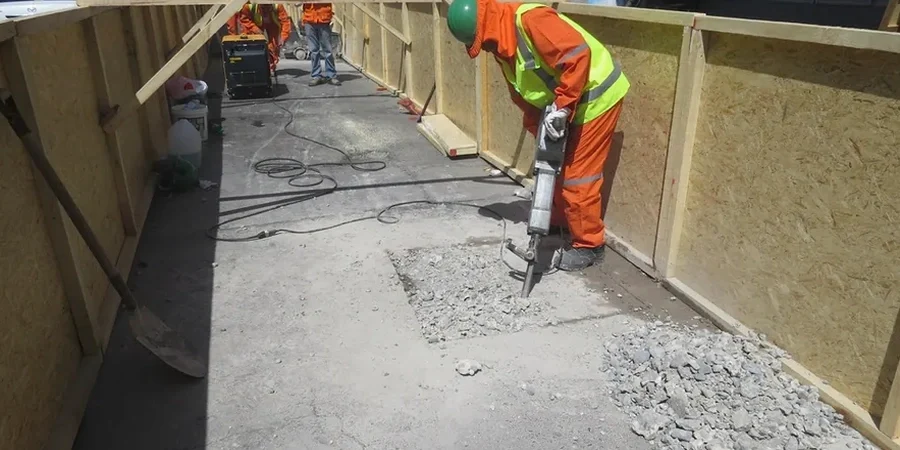
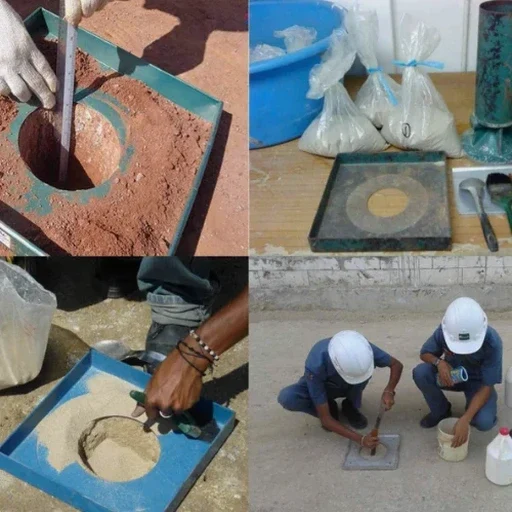
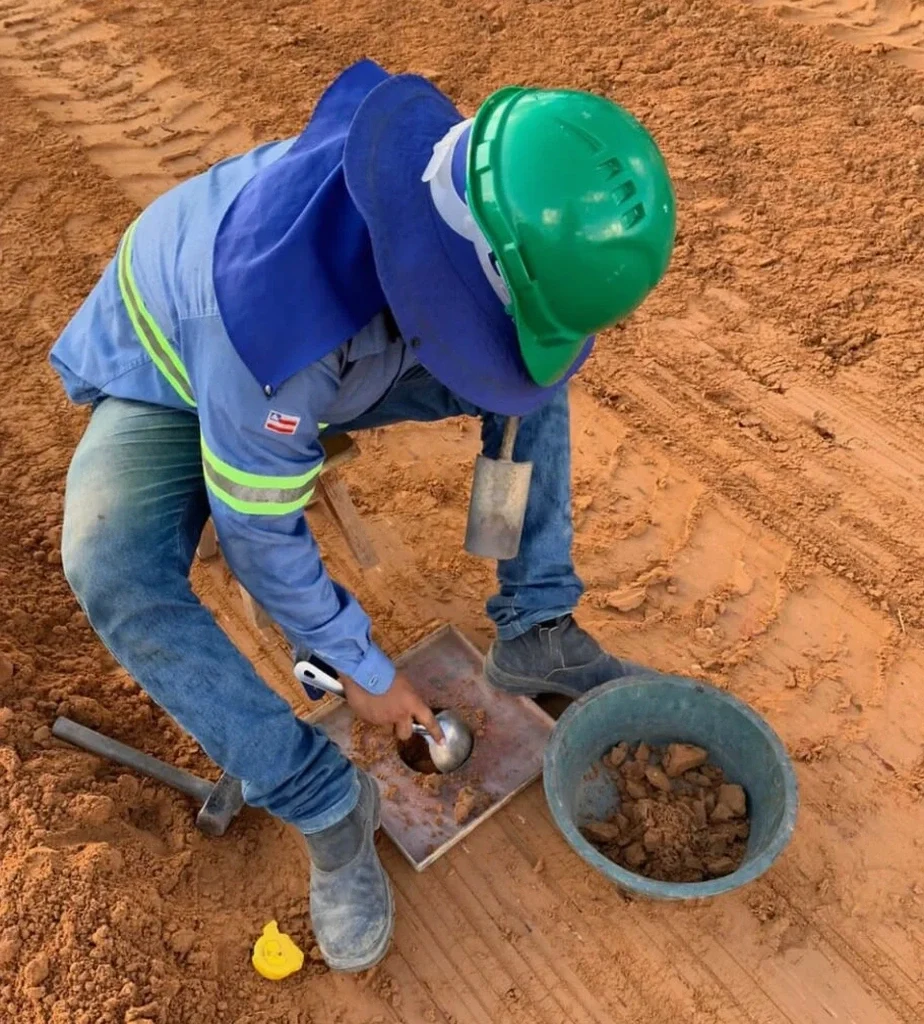
The ground beneath Swindon changes character within a few hundred metres. Up on the limestone ridge of Old Town, you get stiff, competent material that rings under a pick. Down towards the clay vales in West Swindon, the soil becomes softer, more sensitive to moisture, and far less forgiving of poor compaction. That contrast is exactly why we approach every field density test in this town as its own investigation. A plate test might tell you bearing capacity, but the plate load test gives you modulus values that help predict settlement, while the sand cone method answers the contractor's most pressing question on site: is the fill actually compacted to specification? On a recent school extension near Lydiard Park, we ran a series of sand cone tests across a limestone crush fill and found density dropping below 95% in a wetter corner of the site. The contractor adjusted roller passes before the slab went down. That single sequence saved months of potential cracking claims later. In Swindon's layered geology, compaction isn't just a spec box to tick; it's the difference between a pavement that lasts ten years and one that fails after the first wet winter.
A sand cone test doesn't lie. If the fill is loose, the number will show it. The only question is whether you want that number before the concrete goes in or after the cracks appear.