GEOTECHNICAL ENGINEERING1
SWINDON
HomeSlopes & WallsActive/passive anchor design

Active and Passive Anchor Systems in Swindon

Practical geotechnics, field-tested.

LEARN MORE

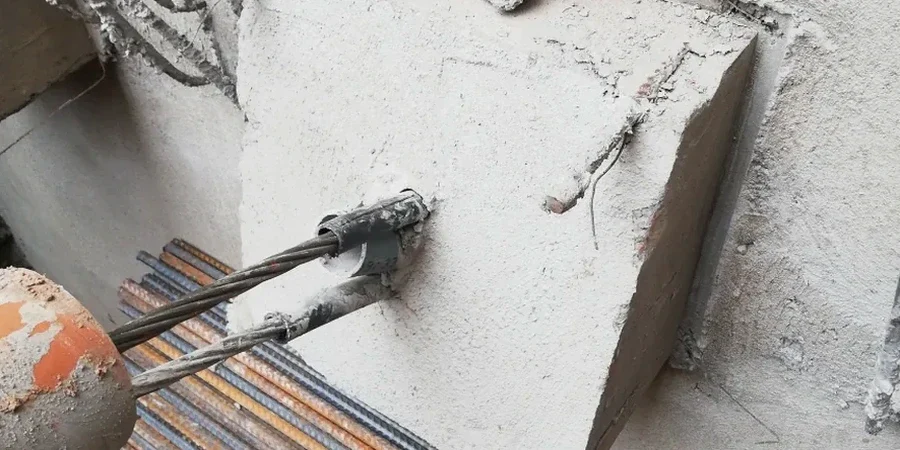
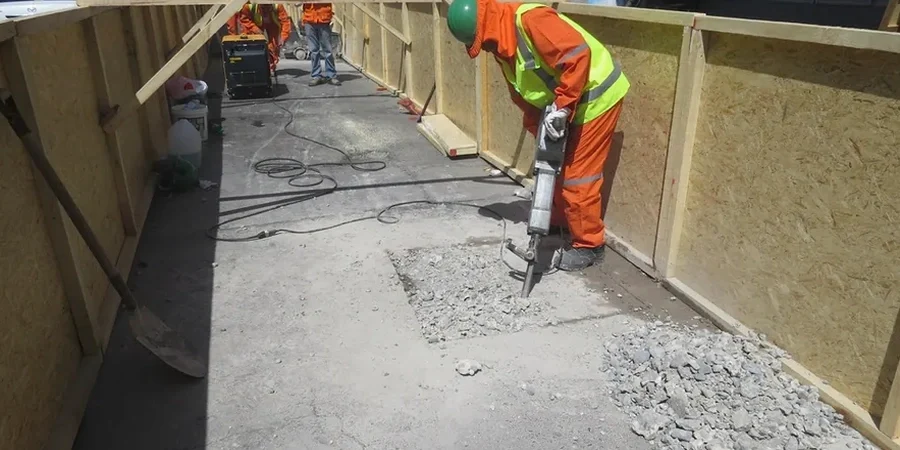
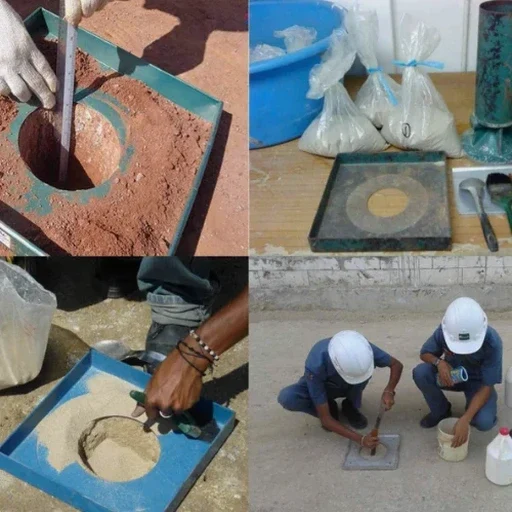
The geology under Swindon changes abruptly. North of the railway, the Cornbrash limestone is competent but fractured. South towards Old Town, the Kimmeridge Clay dominates. This clay swells. It shrinks. It tests your patience. Anchor design here is not a catalogue exercise. A passive anchor that works in the limestone will creep in the clay if the bond length is miscalculated. We see this contrast on sites every month. The solution starts with a site-specific ground investigation. Before designing the anchor layout, we often review data from CPT testing to map the clay consistency with depth. That profile dictates whether you need a strand anchor with double corrosion protection or a simple bar anchor.

The bond stress in Kimmeridge Clay can drop 40% between summer and winter. Design for the worst-case saturation, not the best-case site visit.
Our service areas

Process and scope

Swindon sits on the edge of the Cotswolds. The weather is not dramatic. But the winter saturation is relentless. The water table in the clay rises slowly from November to March. This seasonal change alters the effective stress around the anchor bond zone. A design based on summer site data can fail in February. Our approach uses BS 8081 and the Eurocode 7 framework. We calculate the characteristic anchor resistance factoring in the long-term groundwater regime. For temporary works anchors, the safety factors are lower. For permanent anchors, we add rigorous corrosion protection. The grout mix matters too. In the limestone, a neat cement grout works. In the clay, we often specify a thixotropic grout to control bleed and maintain bond. The key parameters follow.
Active and Passive Anchor Systems in Swindon
Technical reference — Swindon

Local considerations

BS 8081 is clear on this. Every anchor is a safety-critical element. In Swindon, the risk is progressive failure. The clay along the M4 corridor has a memory. It relaxes under sustained load. A row of passive anchors in a contiguous pile wall can unzip if one anchor fails. The load redistributes. The next anchor fails. Then the wall moves. We never design anchors in isolation. We model the soil-structure interaction in PLAXIS. For deep cuts near the railway, we specify load cells on 10% of the anchors. Monitoring is not optional. It is the only way to catch creep before it becomes movement. The cost of a failed anchor is not the anchor. It is the track settlement and the possession charges.

Need a geotechnical assessment?

Reply within 24h.

Email: contact@geotechnical-engineering1.com

Reference standards

BS 8081:2015, BS EN 1997-1:2004, BS EN 1537:2013, BS 5930:2015

Reference parameters

ParameterTypical value
Design standardBS EN 1997-1:2004 + UK National Annex
Anchor executionBS 8081:2015
Typical active anchor load200 – 800 kN
Bond length in stiff clay6 – 12 m
Bond length in limestone4 – 8 m
Corrosion protection classClass I (permanent) or Class II (temporary)
Proof testing1.25 × service load (investigative)

Questions and answers

What is the difference between an active and a passive anchor?

An active anchor is prestressed. You apply a load to the tendon and lock it off. This compresses the soil behind the wall and limits movement from day one. A passive anchor is not prestressed. It only mobilises resistance when the ground starts to move. We use active anchors for retaining walls in Swindon's clay where deflection control matters. Passive rock dowels are common in the limestone slopes north of town.

How much does anchor design and testing cost in Swindon?

The design package typically ranges from £720 to £3,350. This covers the geotechnical interpretative report, anchor layout, bond length calculations, and the testing specification. The final figure depends on the number of anchor rows and whether proof testing is included.

What ground conditions in Swindon affect anchor bond length?

The main factor is the presence of Kimmeridge Clay. It has a lower ultimate bond stress than the limestone. We also check for the water table. A high water table reduces effective stress and can require longer bond lengths. In the railway corridor, made ground adds another variable that we investigate with trial pits.

What testing is required for permanent anchors?

BS 8081 requires investigation testing on sacrificial anchors before the main works. Then suitability testing on working anchors to confirm the design. Finally, acceptance testing on every production anchor. Permanent anchors must pass an acceptance test before lock-off. A lift-off test after lock-off confirms the residual load.

Location and service area

We serve projects in Swindon and surrounding areas.

View larger map